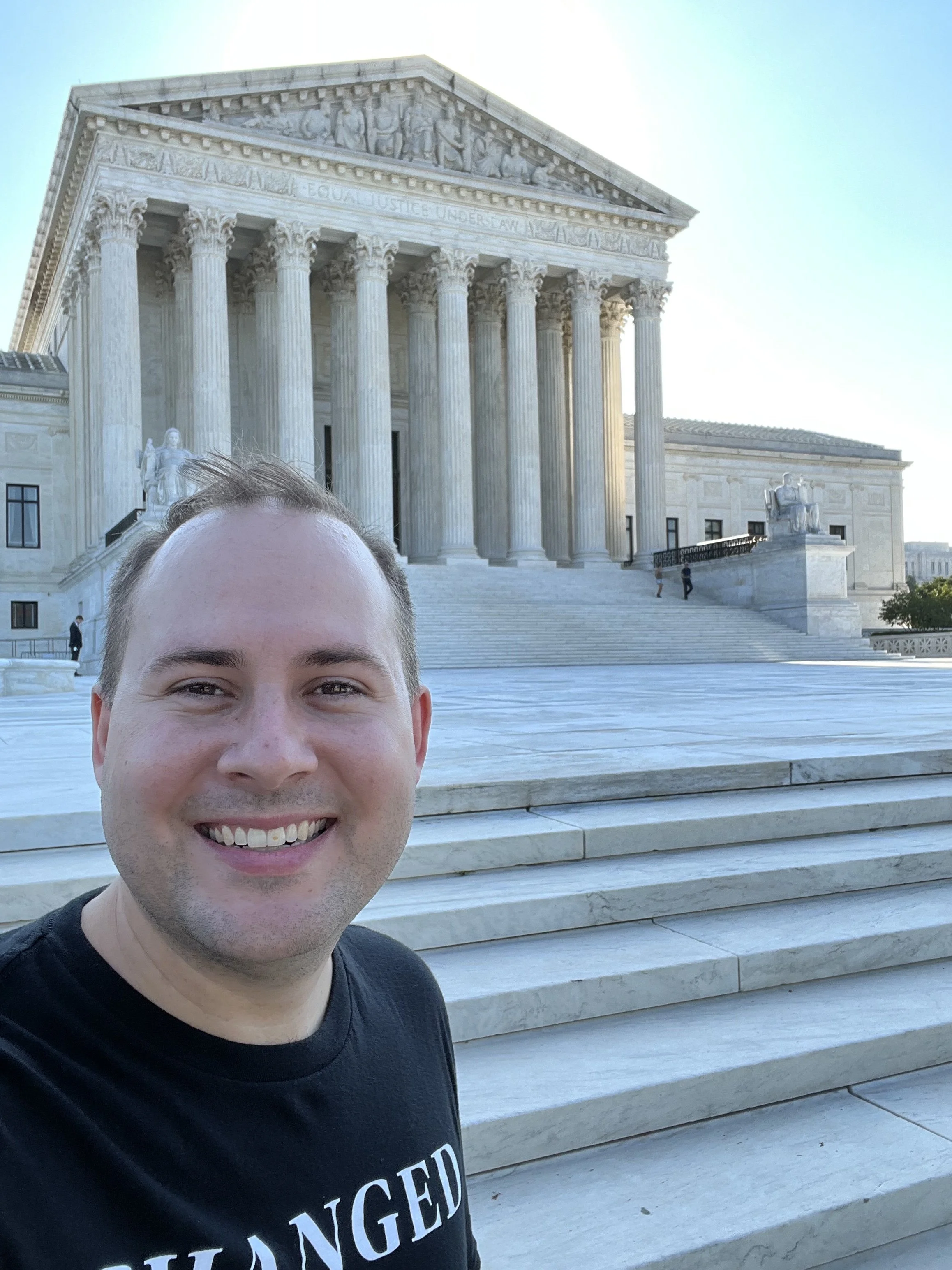
We once identified as LGBTQ. We know

LGBTQ is an agenda,
not an identity.

Sexual minorities are not born into a fixed subculture. They have real choices. CHANGED Movement exists to give legislators the language, data, and evidence needed to protect freedom, conscience, and informed care.

‍ ‍Explore the Research‍ ‍Contact Our Policy Team

Policies should protect people not ideologies.

LGBTQ is not a neutral descriptor of a people group. It is an ideological framework rooted in postmodern progressivism that redefines human identity, sexuality, and even reality itself around fluid social constructs rather than empirical biology, psychology, or personal agency. This framework insists individuals are “born this way” and must remain locked in — a narrative that overrides choice, suppresses evidence of change, and harms those who seek alternatives.

We provide elected officials and staff with clear, evidence-based language that separates ideology from people, protects vulnerable youth and adults, and upholds constitutional principles of free speech, conscience, and informed consent. The data show sexual orientation and gender identity are multifactorial — heavily influenced by environment, trauma, culture, and personal decisions — not immutable. Policymakers who understand this can craft better laws that expand options rather than close them.
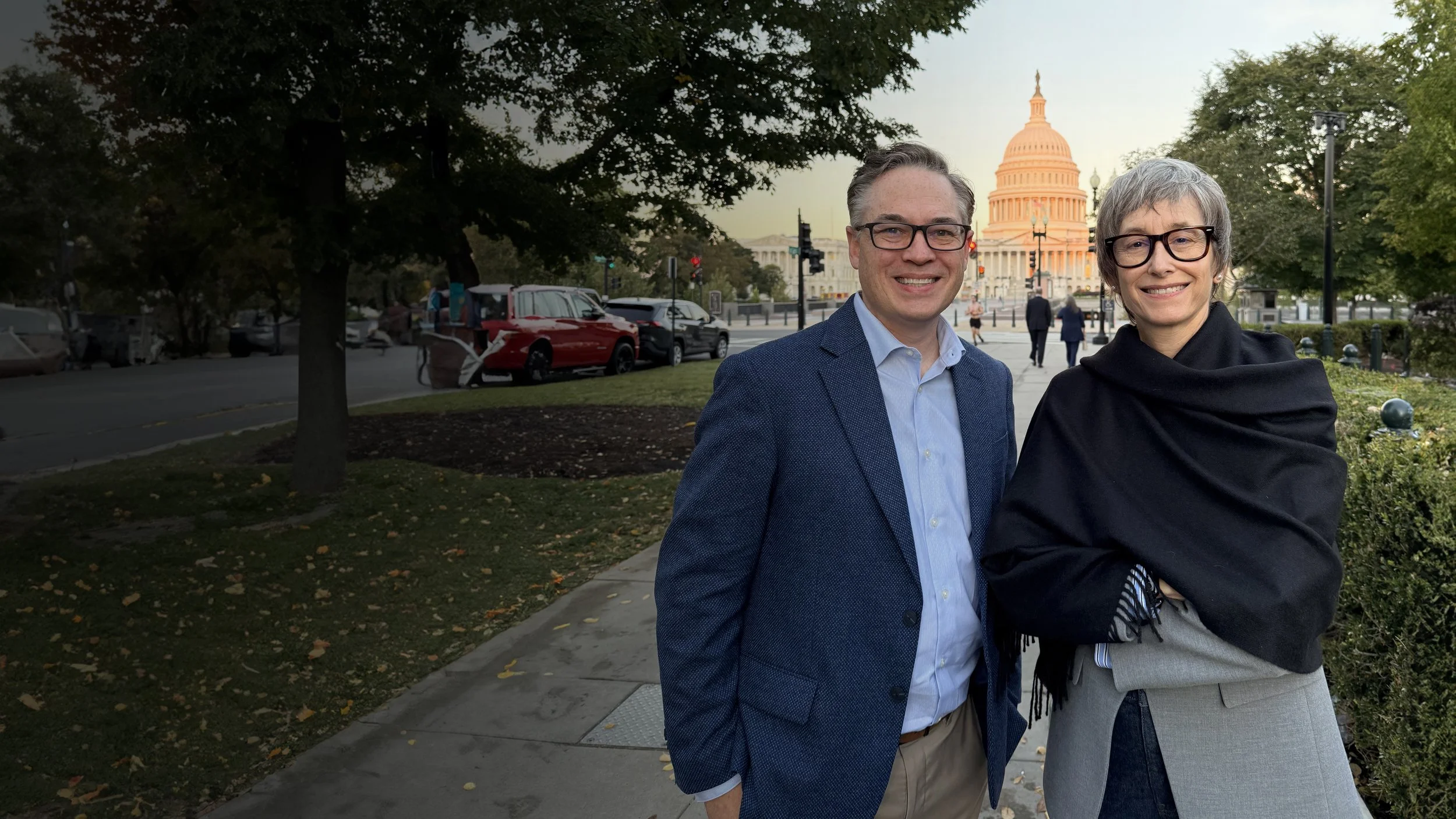
CHANGED Movement brings firsthand experience to policy conversations across the US.

Co-founders Ken Williams & Elizabeth Woning have testified before legislative committees on issues including counseling freedom, sexual orientation change, and client-directed therapy. They both have personally left LGBTQ identity and it’s subculture.

Our team has contributed to discussions surrounding legislation such as:

• Help Not Harm legislation
• Save Girls’ Sports initiatives
• Counseling freedom and speech protections

Most recently, CHANGED Movement submitted an amicus brief to the U.S. Supreme Court in Chiles v. Salazar, a case addressing whether licensed counselors have the constitutional right to provide therapy aligned with a client’s goals.

Our goal:ensure lawmakers hear perspectives often missing from the policy debate.


ISSUE 1

LGBT Is an Agenda, Not a People Group

It is an ideology people are being pressured into — not an innate, immutable characteristic. Our goal is to dismantle this progressive framework so every person retains genuine freedom to choose their path.

The “born this way” narrative is a political tool, not settled science. Large-scale genetic research (Ganna et al., Science, 2019) shows environmental and cultural factors are twice as influential as genetics, with no single “gay gene.” Identification rates have exploded — from ~2% among Baby Boomers to nearly 25% of Gen Z — driven by social contagion and ideological framing, not biology. Legislators who accept this reality can reject coercive policies and restore individual agency.

  • Progressivism and the Social Construction of Sexual Identity: A Primer for Policymakers

    Postmodern queer theory reframes sexual identity as a fluid political performance rather than a neutral or biological description of a person. This ideological shift has turned the LGBTQ label into a tool for cultural and legislative change, pressuring individuals — especially youth — to adopt and defend the narrative even when it conflicts with their personal experience or values. Lawmakers need this primer to recognize how policy decisions rooted in progressivism override evidence, suppress personal agency, and lock people into identity categories they did not choose.

  • The “Born This Way” Myth: Environmental Influences Outweigh Genetics by 2:1

    The largest genome-wide study ever conducted (Ganna et al., Science, 2019) found that non-genetic and environmental factors are roughly twice as influential as genetics in same-sex attraction. Identification rates have skyrocketed from about 2% among Baby Boomers to nearly 25% of Gen Z, driven by social contagion, cultural messaging, and ideological framing rather than biology. Legislators who accept this data can reject the immutability claim and craft policies that protect genuine choice instead of enforcing a single narrative.

  • LGBTQ Ideology vs. Lived Reality: Why Labels Become Traps

    Official desistance statistics and the testimonies of those who later reject the label show that many people experience the LGBTQ framework as a confining box rather than an authentic description of who they are. Forced conformity to the ideology often overrides personal agency and prevents individuals from exploring paths aligned with their long-term goals and well-being. Policymakers must understand that protecting questioning youth and adults requires rejecting one-size-fits-all identity narratives that trap rather than liberate.

  • From Subculture to Movement: The Political Agenda Behind Identity Politics

    What began as a subculture was deliberately transformed into a political movement following the 1970s APA reclassification, shifting the focus from private behavior to public policy demands. This evolution has embedded specific ideological goals into education, healthcare, and law, often at the expense of viewpoint diversity and individual conscience. Legislators need this historical context to evaluate current bills without assuming the LGBTQ framework is a neutral descriptor of a fixed people group.

  • Postmodernism’s Impact on Human Dignity: A Legislative Warning

    Postmodern ideology redefines human identity around subjective feelings and political constructs, eroding the dignity that comes from recognizing people as more than their sexual or gender attractions. This framework pressures sexual minorities to remain in the LGBTQ box and dismisses evidence of change or desistance as invalid. Lawmakers must treat this as a warning: policies grounded in postmodern assumptions harm dignity and limit freedom rather than expand it.

  • Protecting Questioning Youth: Why We Must Reject One-Size-Fits-All Narratives

    Social and ideological pressure in schools and online environments is rapidly increasing the number of youth who adopt LGBTQ labels without full exploration of underlying factors. One-narrative policies deny these young people the time and support needed to make uncoerced decisions about their identity and future. Effective legislation must prioritize agency, watchful waiting, and access to non-ideological counseling for questioning minors.

  • The Cost of Conformity: How Ideology Suppresses Personal Freedom

    When individuals feel compelled to conform to the prevailing LGBTQ narrative, they often suppress their own desires for change or alignment with personal values, leading to increased distress and isolation. Case studies of those who later stepped away from the label reveal the hidden psychological and social costs of ideological conformity. Policymakers can reduce these harms by ensuring laws protect the right to question, explore, and choose freely.

  • Reclaiming Agency: Evidence That Sexual Minorities Deserve Real Options

    Multifactorial research consistently demonstrates that sexual orientation and identity are shaped by environment, trauma, culture, and personal decisions — not fixed at birth. Sexual minorities therefore deserve policy environments that offer genuine options rather than mandating affirmation as the only acceptable outcome. Recognizing this evidence restores agency and prevents the state from enforcing a progressive ideological script.


ISSUE 2

The Harms of Banning Change

Banning voluntary counseling that allows for change is not protection — it is viewpoint discrimination that leaves trauma unaddressed and traps people in unwanted distress.

“Conversion therapy” bans lack a clear, evidence-based definition and rely on flawed studies that ignore pre-existing mental health issues. Reanalyses (Sullins, 2021; Rosik et al., 2021) of major datasets show change-allowing talk therapy actually reduces suicidality. Bans stifle free speech, block trauma-informed care, and contradict the 85% desistance rate among gender-dysphoric youth under watchful waiting. Legislators must hear the stories of those denied help because the law assumed identity was fixed.

Read More

  • Why “Conversion Therapy” Bans Increase Harm: Reanalysis of the Generations Study

    Reanalysis of the Generations Study (Sullins, 2021) shows that clients who received change-oriented talk therapy reported significantly lower levels of suicidal ideation once pre-existing mental-health factors were properly controlled. Therapy bans remove a proven avenue for addressing underlying trauma and distress, leaving individuals with fewer tools for relief. Legislators must understand that these bans do not protect — they actively increase harm by limiting client-directed care.

  • Free Speech Under Siege: Legal and Constitutional Problems with Therapy Bans

    State and local therapy bans constitute viewpoint discrimination by prohibiting counselors from helping clients pursue change-oriented goals while allowing affirmation-only approaches. This directly implicates First Amendment issues now under consideration by the Supreme Court in Chiles v. Salazar. Policymakers need to recognize these bans as unconstitutional restrictions on professional speech and client autonomy.

  • The Trauma Trap: How Bans Prevent Resolution of Childhood Abuse and Mental Health Crises

    Same-sex attracted populations show elevated rates of childhood trauma and abuse; therapy bans block the very counseling needed to resolve these root causes. By assuming identity is immutable, the bans trap individuals in distress rather than offering pathways to healing. Lawmakers who understand this dynamic can reject bans and restore access to trauma-informed, client-directed care.

  • Public Health Failure: Suicide Rates and the Stigma-Only Model

    The minority-stress model ignores well-documented co-occurring mental-health conditions and trauma that predate identity formation, leading to persistently elevated suicide risk even in affirming environments. Therapy bans double down on this flawed model by removing alternative treatment options. Effective public-health policy must address root causes rather than enforcing a stigma-only explanation.

  • 85% Desistance Ignored: The Cost of Affirm-Only Policies for Youth

    Decades of research show that 80–90% of gender-dysphoric youth naturally desist under watchful waiting, yet affirm-only legislation rushes medicalization and overrides this natural resolution rate. The result is unnecessary medical interventions and lifelong consequences for many who would have resolved without them. Legislators must weigh this evidence before endorsing policies that ignore desistance data.

  • Viewpoint Discrimination in Counseling: Real Cases of Clients Denied Choice

    Clients seeking help to align their sexuality or gender identity with their values are routinely denied services under existing bans solely because their goal is change rather than affirmation. These anonymized cases illustrate clear viewpoint discrimination in professional practice. Policymakers have a responsibility to protect client-directed care and eliminate this form of ideological gatekeeping.

  • From AB 2943 to National Bans: Lessons from California’s Failed Experiment

    California’s early therapy ban (AB 2943) and similar measures have correlated with reported increases in mental-health distress among those who could no longer access change-oriented support. The experiment demonstrates that suppressing client choice does not improve outcomes — it worsens them. Lawmakers nationwide can learn from this history and avoid repeating the same policy failure.


ISSUE 3

Sexual Orientation and Gender Identity (SOGI) Change Is Possible

People change across the full spectrum — not only straight-to-gay, but fluidly in reverse. The data confirm attractions and identities are not fixed; individuals deserve the right to pursue change aligned with their goals.

Longitudinal research (Savin-Williams, Rosario & Schrimshaw) shows three-quarters of bisexual and mostly-heterosexual young adults shift identities, most toward heterosexuality. Sexual behavior is multifactorial; the largest genetic study ever conducted confirms environment and choice play the dominant role. Former LGBTQ-identified people routinely report sustained change. Policymakers who recognize this evidence can protect pathways to wholeness instead of mandating one narrative.

  • Sexual Fluidity Is the Norm: Longitudinal Data on Identity Shifts

    Longitudinal studies by Savin-Williams and Diamond show that three-quarters of bisexual and mostly-heterosexual young adults shift identities over time, with the majority moving toward heterosexuality. Sexual identity is far more fluid than the immutability narrative claims. Legislators who recognize this data can support policies that respect natural change rather than locking individuals into early labels.

  • SOGI Change Across the Spectrum: Evidence Beyond “Gay to Straight”

    Change in sexual orientation and gender identity occurs in every direction — not merely in the single pattern favored by current policy. Clinical and self-report data from multiple cohorts document bidirectional shifts, fluidity, and sustained change when individuals pursue goals aligned with their values. Policymakers must stop treating change as impossible and instead protect the pathways that allow it.

  • Environmental Factors Drive Sexuality: Why the “Immutability” Claim Fails

    The landmark Ganna et al. (Science, 2019) study confirms that environmental, cultural, and personal-choice factors outweigh genetics in shaping sexuality. This directly undermines legal and legislative claims that sexual orientation is immutable. Lawmakers can now base policy on the multifactorial reality rather than outdated assumptions.

  • Desistance and Recovery: 85% of Gender-Dysphoric Youth Resolve Naturally

    Under watchful waiting, 80–90% of gender-dysphoric children and adolescents resolve their distress without medical transition. Affirm-only policies override this natural recovery rate and expose youth to irreversible interventions. Effective legislation must prioritize desistance data and protect time for natural resolution.

  • Testimonies of Change: What the Science and Stories Actually Show

    Peer-reviewed literature and aggregated outcomes from formerly LGBTQ-identified individuals demonstrate that sustained change is both documented and common. These combined data and lived experiences contradict the claim that change is impossible or harmful. Legislators gain a fuller picture when they consider both the science and the real voices of those who have walked this path.

  • Bisexual Instability: Three-Quarters Move Toward Opposite-Sex Attraction

    Longitudinal data (Savin-Williams, Rosario & Schrimshaw) show that approximately three-quarters of bisexual-identified youth shift toward opposite-sex attraction by early adulthood. This pattern of instability has major implications for education, family policy, and youth mental health. Policymakers should treat bisexual identification as fluid rather than fixed when drafting legislation.

  • Reversing the Narrative: Clients Who Chose Heterosexual Goals and Succeeded

    Clients who voluntarily pursue heterosexual identity or behavior goals routinely report sustained change consistent with their personal and religious values. These outcomes demonstrate that client-directed care works when it honors the individual’s chosen objectives. Lawmakers can protect this success by ensuring laws do not criminalize or stigmatize such voluntary pathways.

  • Multifactorial Sexuality: Implications for Informed Consent Laws

    Genetic, psychological, and longitudinal research all point to a multifactorial model of sexuality in which personal agency and environment play decisive roles. Informed-consent laws must therefore guarantee clients access to the full range of options rather than restricting care to affirmation only. This paper provides model statutory language to embed that principle in policy.

Real Voices, Real Change:

Stories Legislators Must Hear

Formerly LGBTQ-identified individuals who found freedom through choice, support, and personal agency, not ideology. Browse or search our growing collection of testimonies


Ready to Equip & Engage?

Contact CHANGED Movement for tailored briefings, white-paper packets, expert testimony referrals, or additional data.

Connect with CHANGED Advocacy

LGBTQ-EXPERIENCING PEOPLE SHOULD HAVE OPTIONS TO BE FREE